





Category: aerospace

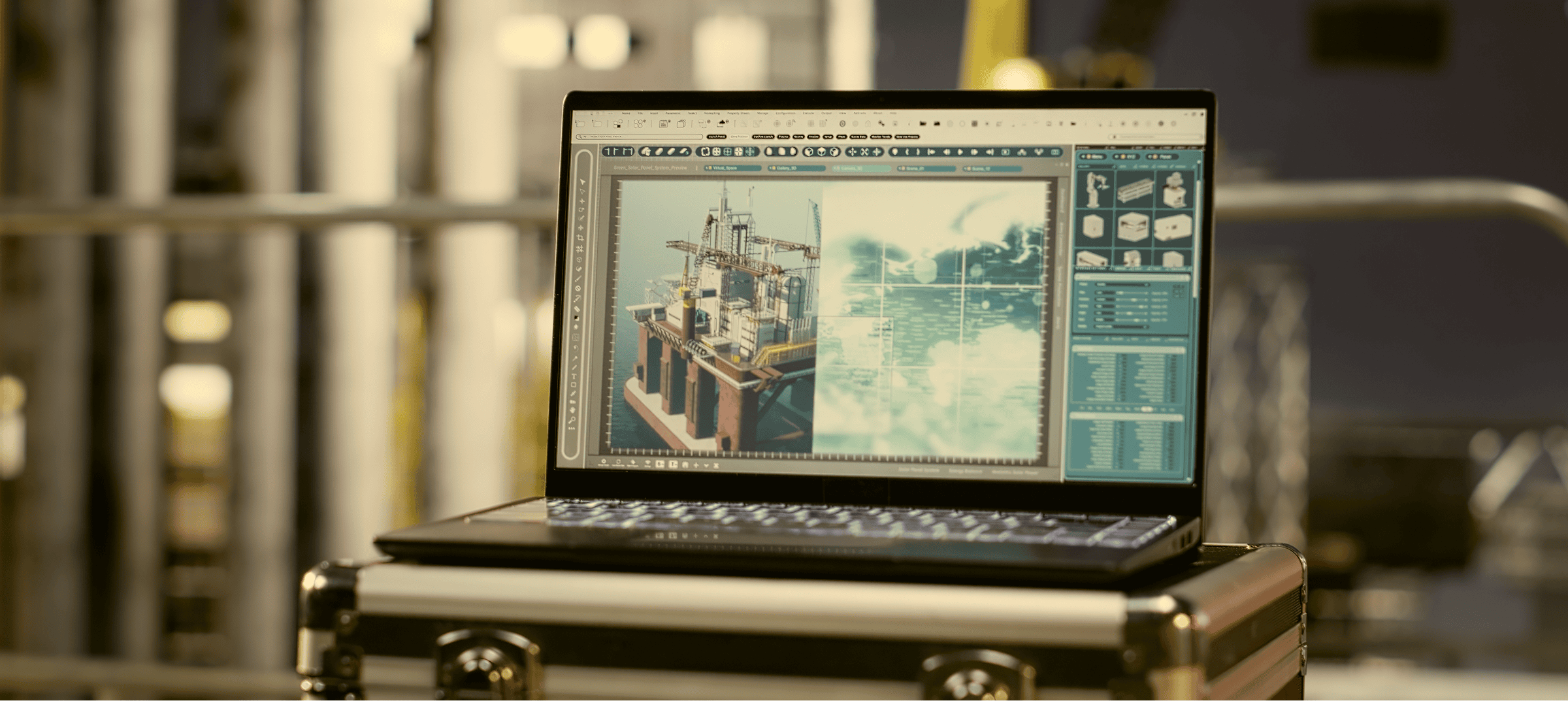
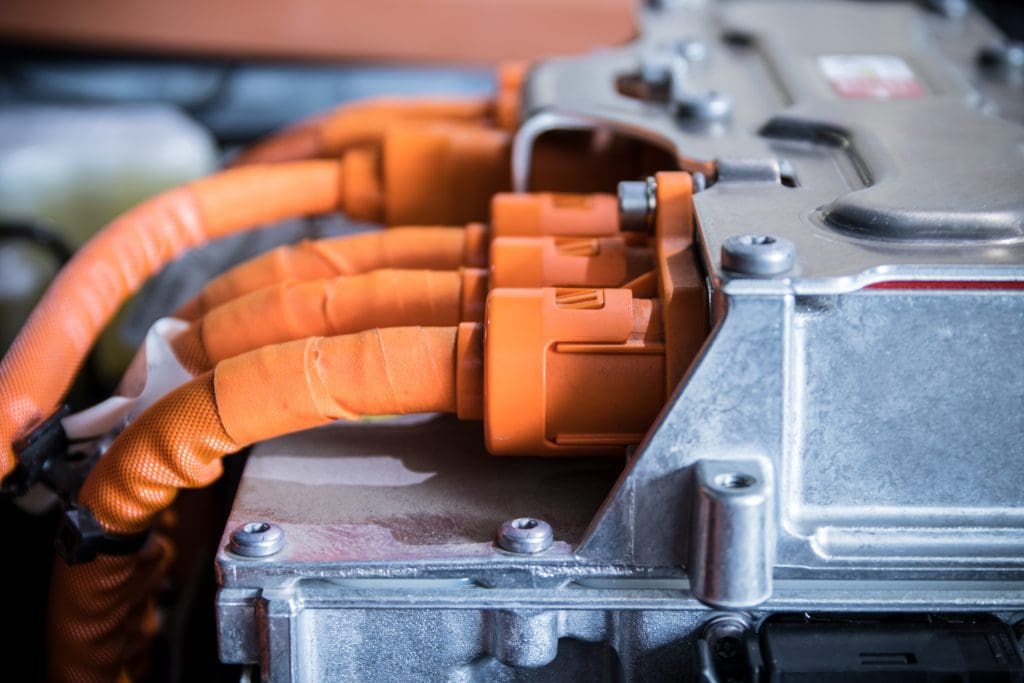
Simulating Lithium–Sulfur Batteries for UAV Missions with GT-AutoLionSulfur
As industries push for lighter and more energy-efficient solutions, lithium–sulfur (Li–S) batteries are gaining increasing attention. Their appeal is clear: they offer the potential for much higher energy per weight than conventional lithium-ion batteries while using sulfur, an abundant and low-cost material. But while the promise is real, so are the challenges. Unlike lithium-ion batteries, […]

Modeling Hydrogen Fuel Cell Propulsion Systems for Aviation with GT-SUITE
The aviation industry is entering a period of rapid transformation as manufacturers explore new propulsion technologies to meet increasingly ambitious emissions targets. While improvements in conventional engines and sustainable aviation fuels remain important pathways, hydrogen-powered propulsion is emerging as a potential long-term solution for cleaner flights. Among the hydrogen pathways being explored, fuel cell–based propulsion […]

A Year of Engineering Insights: Our Top 7 Blogs You Shouldn’t Miss
From smarter thermal systems and next-generation batteries to digital twins, fuel cells, and advanced air mobility, we explored how engineering simulation is reshaping engineering decisions across industries. If you’re working at the intersection of innovation, performance, and efficiency, these seven blogs capture the most impactful ideas we shared in 2025, each addressing real-world engineering challenges […]
Simulating Series Hybrid Tilt-Rotor Aircraft in GT-SUITE
The rise in demand for electric and hybrid-electric aircraft, particularly in the Urban Air Mobility (UAM) sector, has fueled innovation in aircraft powertrain design. One promising configuration is the series hybrid tilt-rotor system, which combines the power and efficiency of hybrid-electric propulsion with the versatile flight dynamics of tilt-rotor technology. In this blog, we’ll dive […]

How Multi-scale Models Are Enhancing Battery Performance and Design
Beyond Experimentation: Predicting Battery Performance with Multi-Scale Models In today’s electrified world, designing better batteries goes far beyond trial-and-error testing. Engineers and researchers are increasingly turning to simulation to accelerate innovation and reduce development costs. Lithium-ion batteries power modern energy storage systems, from electric vehicles to grid storage. As demand grows for higher performance, longer […]

Simulating the “Impossible”? Automation Meets Rotating Detonation Engines
Enabling Rotating Detonation Engine (RDE) Innovation Through Simulation and Automation The Rotating Detonation Engine (RDE) stands out as a leading technology that can advance performance and efficiency for future propulsion systems. Simulation software plays a critical role in accelerating development and tackling complex design challenges while engineers and researchers strive to unlock the full capabilities […]

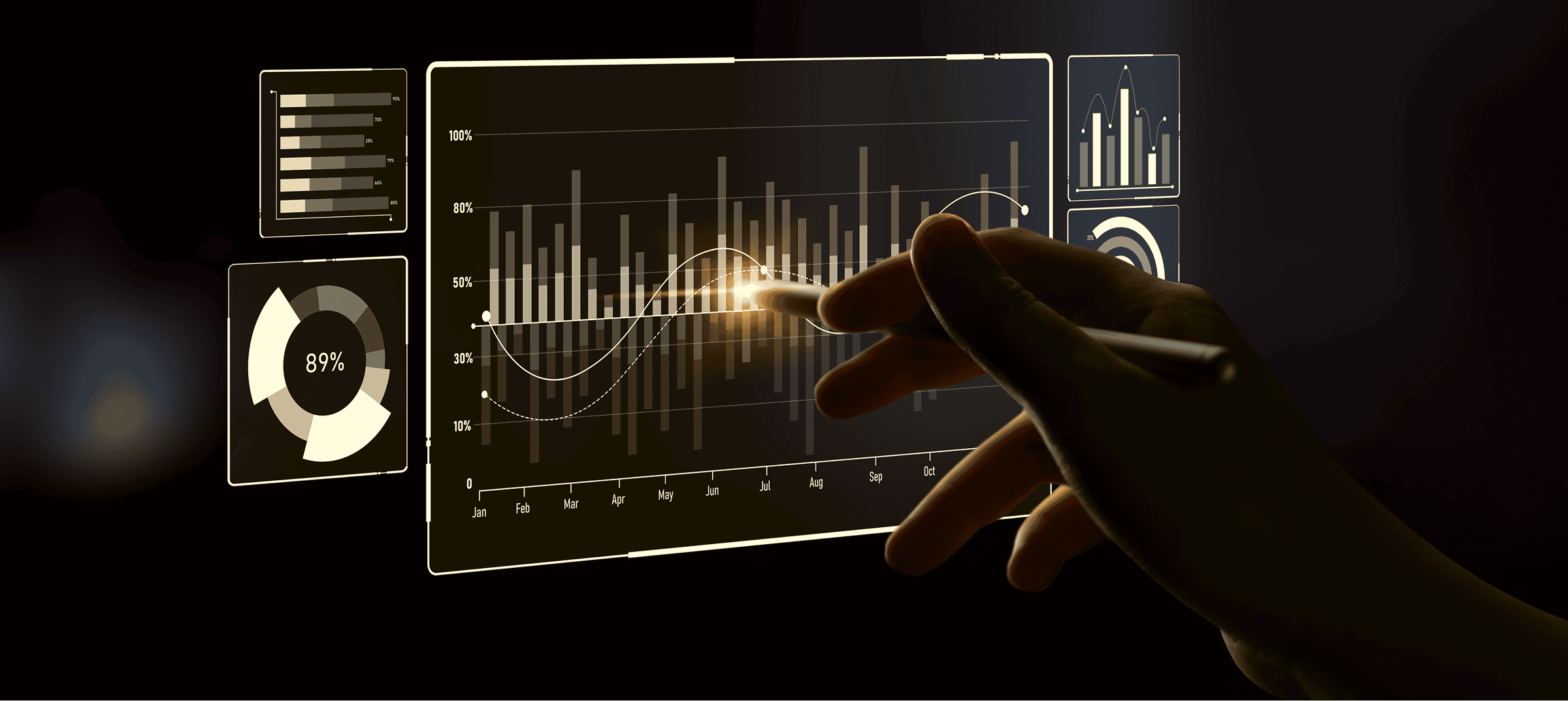
Digital Twin Simulation: Engineering Smarter, Faster, and More Reliable Products
Why Digital Twins are Necessary and Important Imagine being able to predict equipment failures before they happen, optimize system performance in real time, and reduce expensive physical testing. This is the power of digital twins. A digital twin is a virtual replica of a physical asset, enabling real-time monitoring, simulation, and optimization. With increasing system […]

Gamma Technologies and GT-SUITE: Pioneering the Future of Simulation
Unveiling the Power of GT-SUITE This year, Gamma Technologies celebrated a significant milestone: its 30th anniversary. Since its inception in 1994, Gamma Technologies has been at the forefront of engineering simulation, revolutionizing how industries approach design and innovation. At the heart of this transformation is GT-SUITE, the company’s flagship systems simulation software that has become […]

Simulating a NASA Hydrogen Powered Rocket
Propelling the Orion Spacecraft to the Moon Images of the moon from the NASA Orion spacecraft reminds us of how our technological advancements have made these wonders of the night sky reachable. The Artemis I mission marked an important milestone as it is the closest a human rated spacecraft has come to the moon since […]