






Battery Performance and Degradation
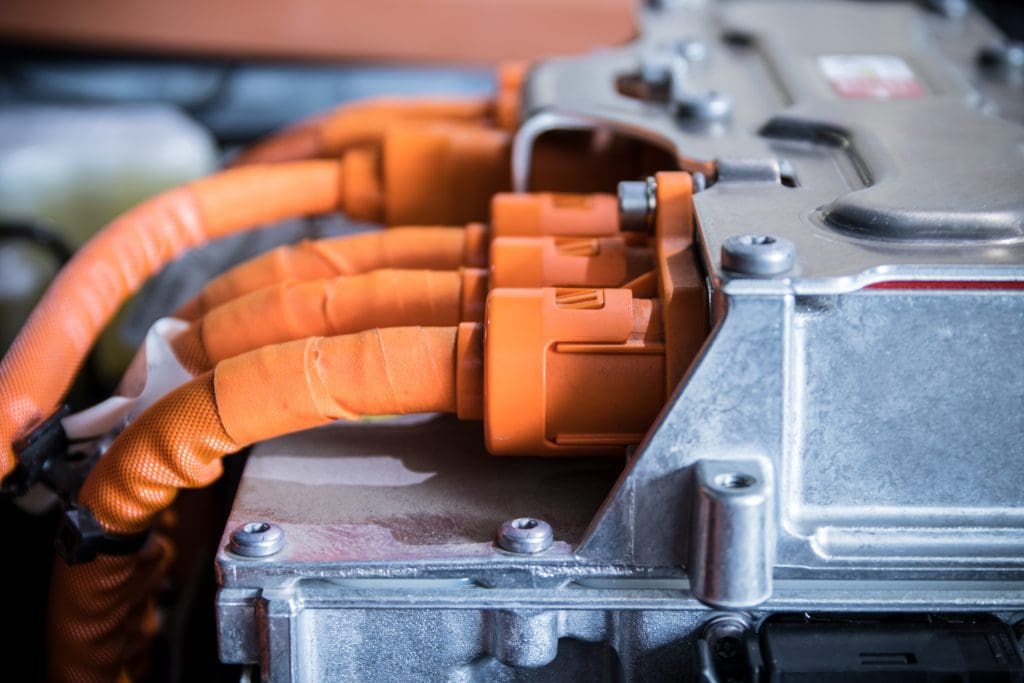
Detailed electrochemical process models predict degradation, optimize charge-discharge cycles for longer lifespan, and support thermal and electrical analysis to keep storage safe and efficient.
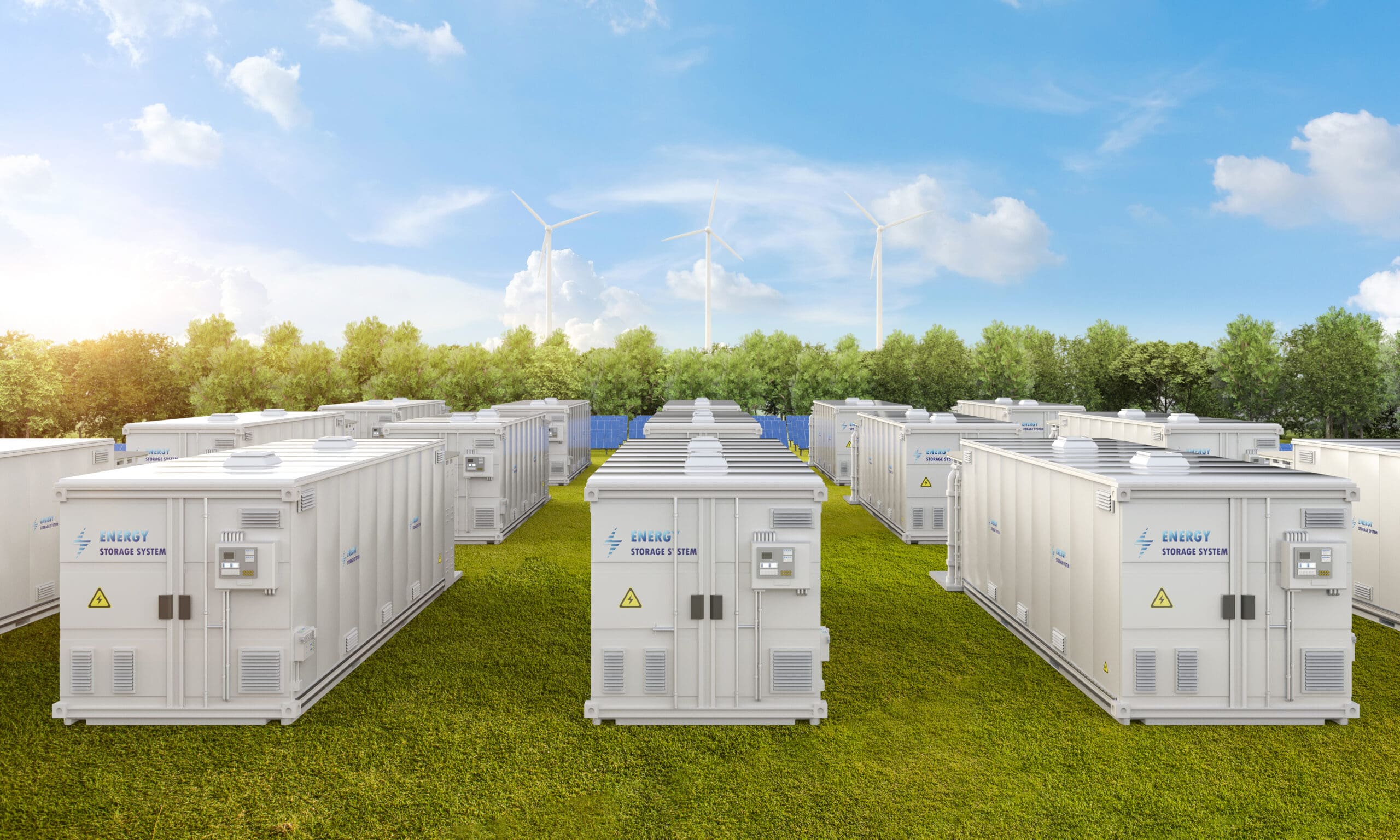
GT-SUITE simulates the full battery energy storage stack, from cell chemistry through power electronics to grid-level control
Solution Overview
BESS providers assemble batteries, inverters, renewables, and control systems into products that must clear strict efficiency, reliability, and compliance targets while racing competitors to market. Each added component multiplies the tradeoffs between cost, performance, and risk.
GT-SUITE gives engineering teams one multi-physics environment to design, test, and validate that system before hardware exists, linking electrochemical, thermal, electrical, and mechanical behavior in a shared model. Teams shorten development cycles and catch integration problems while a design change still costs nothing but simulation time.

Multiphysics-Based Modeling
GT-SUITE offers a comprehensive Multiphysics Modeling solution that simulates complex interactions across thermal, chemical, electrical, and mechanical domains. It enables detailed analysis of system performance, optimizing design for high scalability, reliability, and safety, while addressing challenges such as battery thermal runaway and aging during operation.
Discover how GT-SUITE tackles these challenges below:
GT-SUITE allows to create simulations of detailed electrochemical processes to predict battery degradation, optimizing charge-discharge cycles for extended lifespan, and conducting thermal and electrical analyses to ensure safe, efficient energy storage.
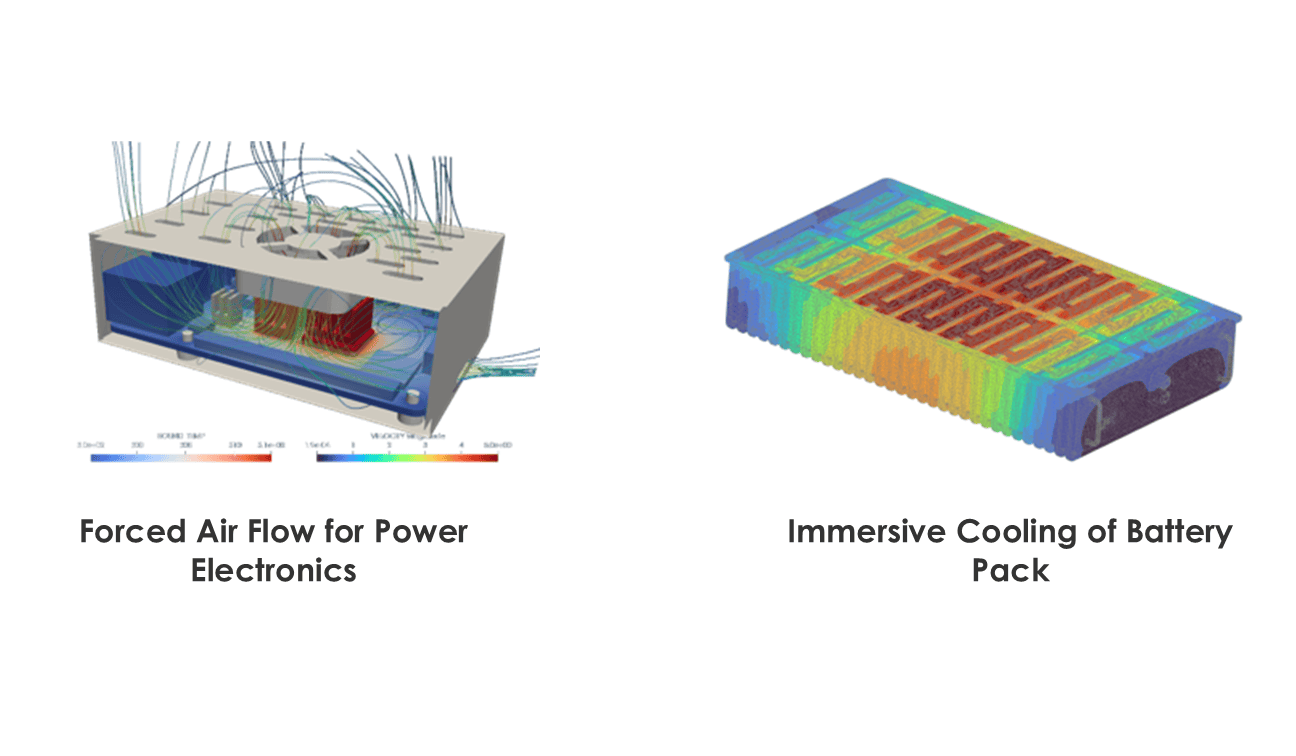
GT-SUITE enhances power electronic performance and design by simulating circuits to improve efficiency, evaluating thermal impacts to prevent overheating, and integrating battery and power electronics simulations for seamless compatibility across systems.

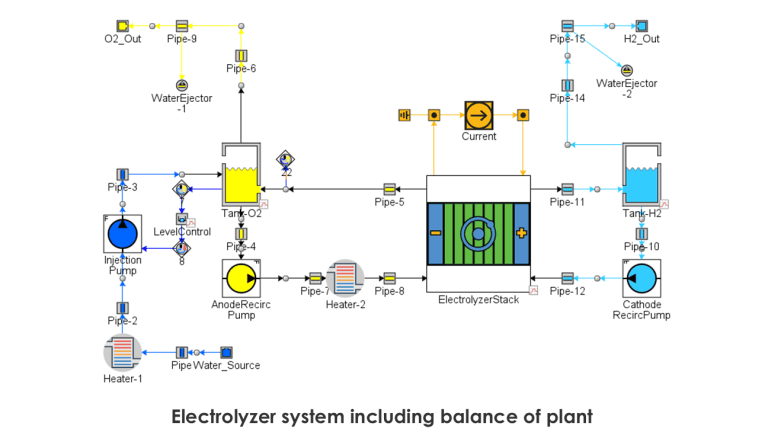
GT-SUITE addresses Power-to-Gas challenges by:
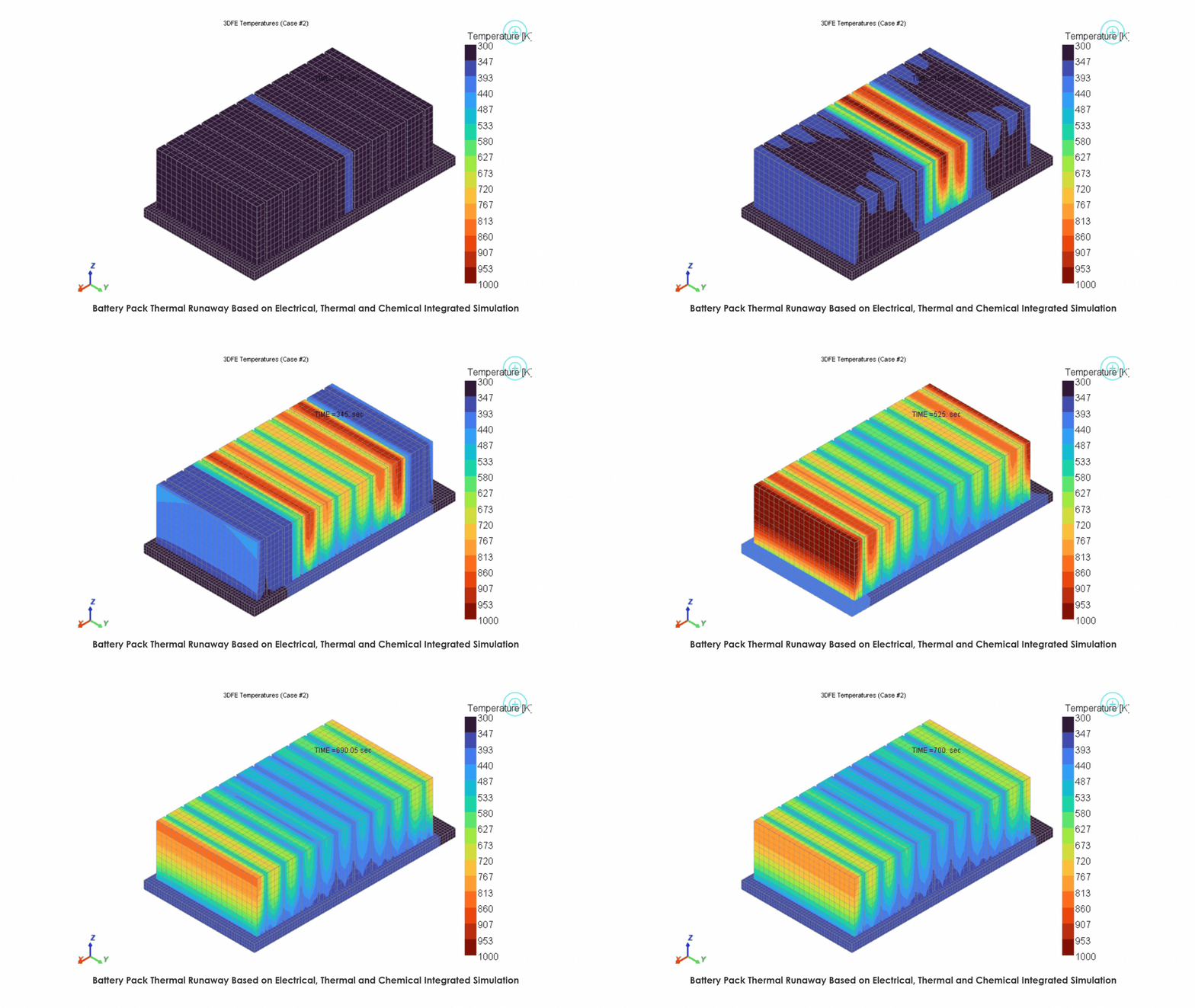
GT-SUITE helps manage heat dissipation in battery systems by utilizing thermal finite element analysis for optimized heat flow, simulating thermal runaway scenarios for proactive risk management, and optimizing cooling system design to balance performance and energy efficiency.
Application Highlights
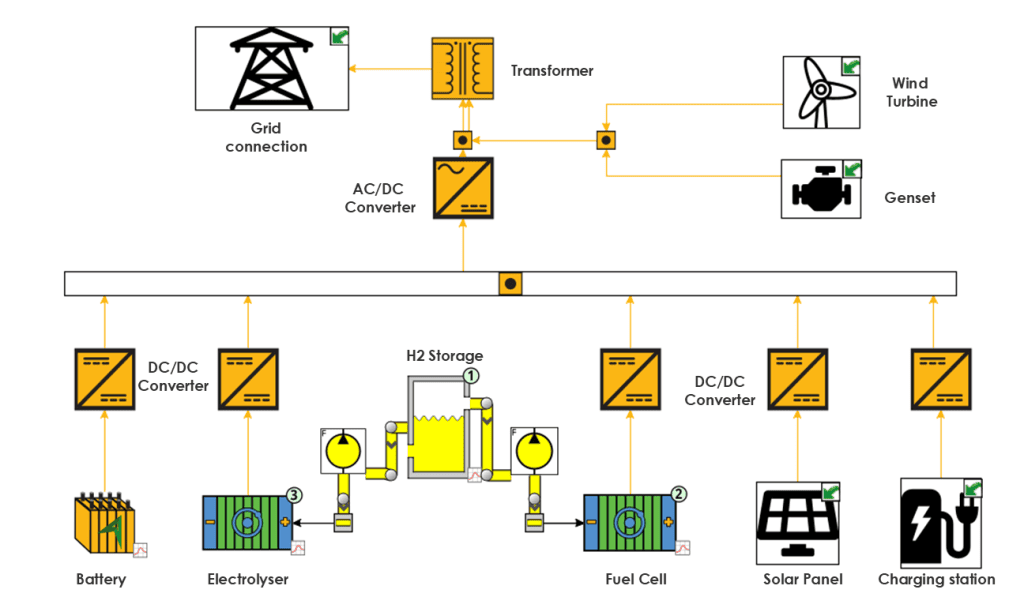
Energy flow across batteries, inverters, and grid connections gets optimized in one model, weighing every input, output, and loss including renewable sources. Dynamic load profile simulation keeps delivery consistent as renewable input and demand shift.

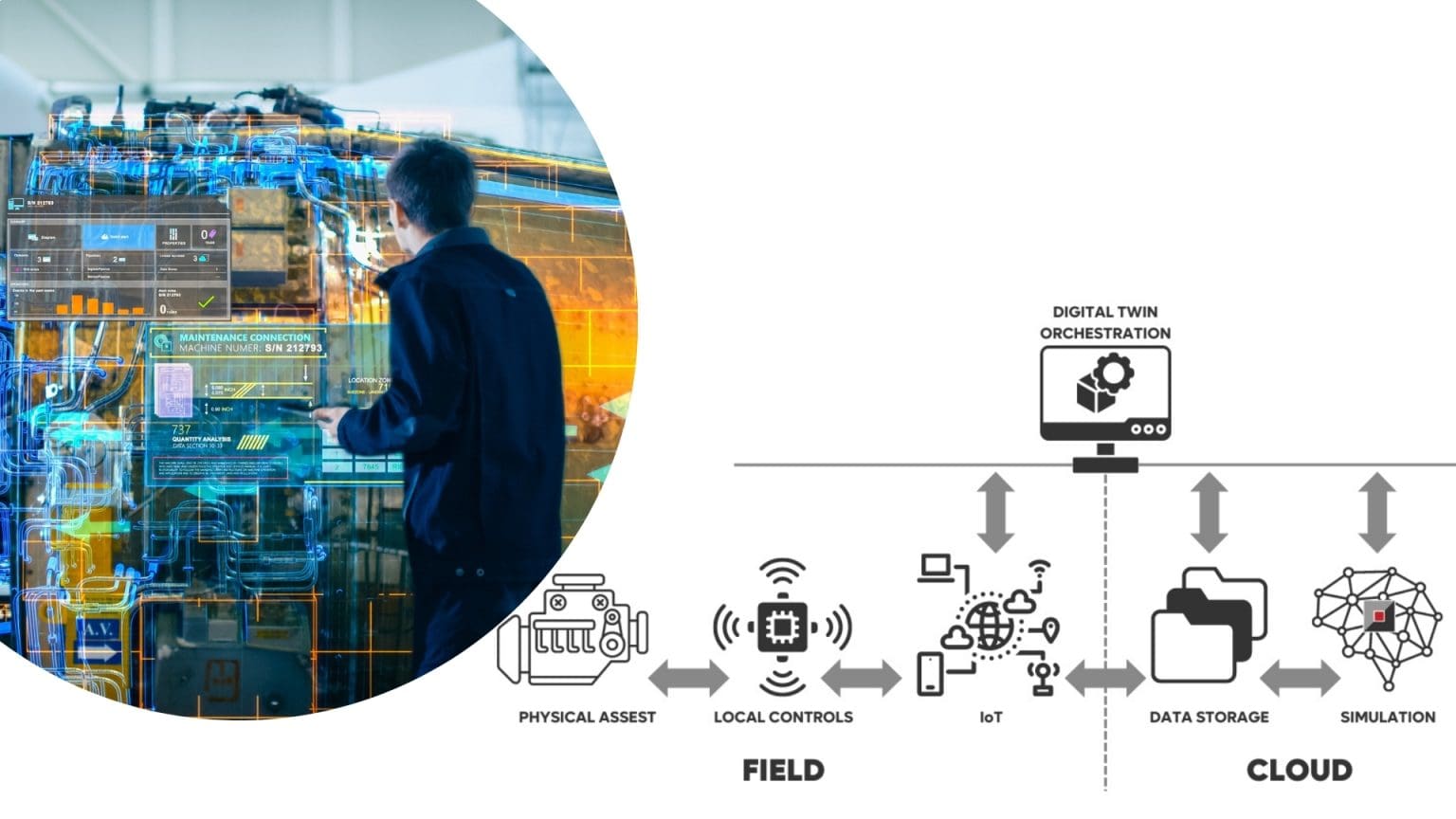
Cloud-enabled digital twin monitoring runs the same predictive or machine learning models against live field data, so engineers spot faults and system drift as they happen instead of waiting for a scheduled review. The models run on hardware or in the cloud and compare field data against design performance directly.

ADVANCED FEATURES
Predict performance, thermal behavior, and degradation across batteries, power electronics, and grid-connected systems in one simulation environment. This grid runs to nine cards rather than the standard six to preserve every capability from the source page.
Detailed electrochemical process models predict degradation, optimize charge-discharge cycles for longer lifespan, and support thermal and electrical analysis to keep storage safe and efficient.
Circuit-level simulation improves converter and inverter efficiency, evaluates thermal loads to prevent overheating, and pairs battery and power electronics models for consistent system behavior.
Sizing tools cover electrolyzers, compressors, and storage tanks, while simulation tests hydrogen, methane, and methanol production efficiency under varying loads and renewable input.
Thermal finite element analysis maps heat flow through the battery system, thermal runaway simulation supports proactive risk planning, and cooling design optimization balances performance against energy draw.
Energy flow across batteries, inverters, and grid connections gets optimized in one model, with dynamic load profile simulation keeping delivery consistent as renewable input and demand shift.
Physically predictive or machine learning models run against live field data, comparing it to design performance so engineers can identify faults and uncover optimization opportunities in real time.
Hardware-in-the-loop integration, real-time simulation environments, and compliance testing automation replace costly physical prototypes and accelerate development while cutting production cost.
AI reduces model complexity while preserving system dynamics, runs automated fault detection for early issue identification, and optimizes design configurations, deployable on hardware or in the cloud.
Built-in Design of Experiments tools explore variations, parametric simulations identify optimal configurations, and worst-case scenario analysis confirms robustness under extreme conditions.