← Back to All Solutions

Solutions

Thermal Management

From Thermal Complexity to Real-World Confidence

SOLUTION OVERVIEW

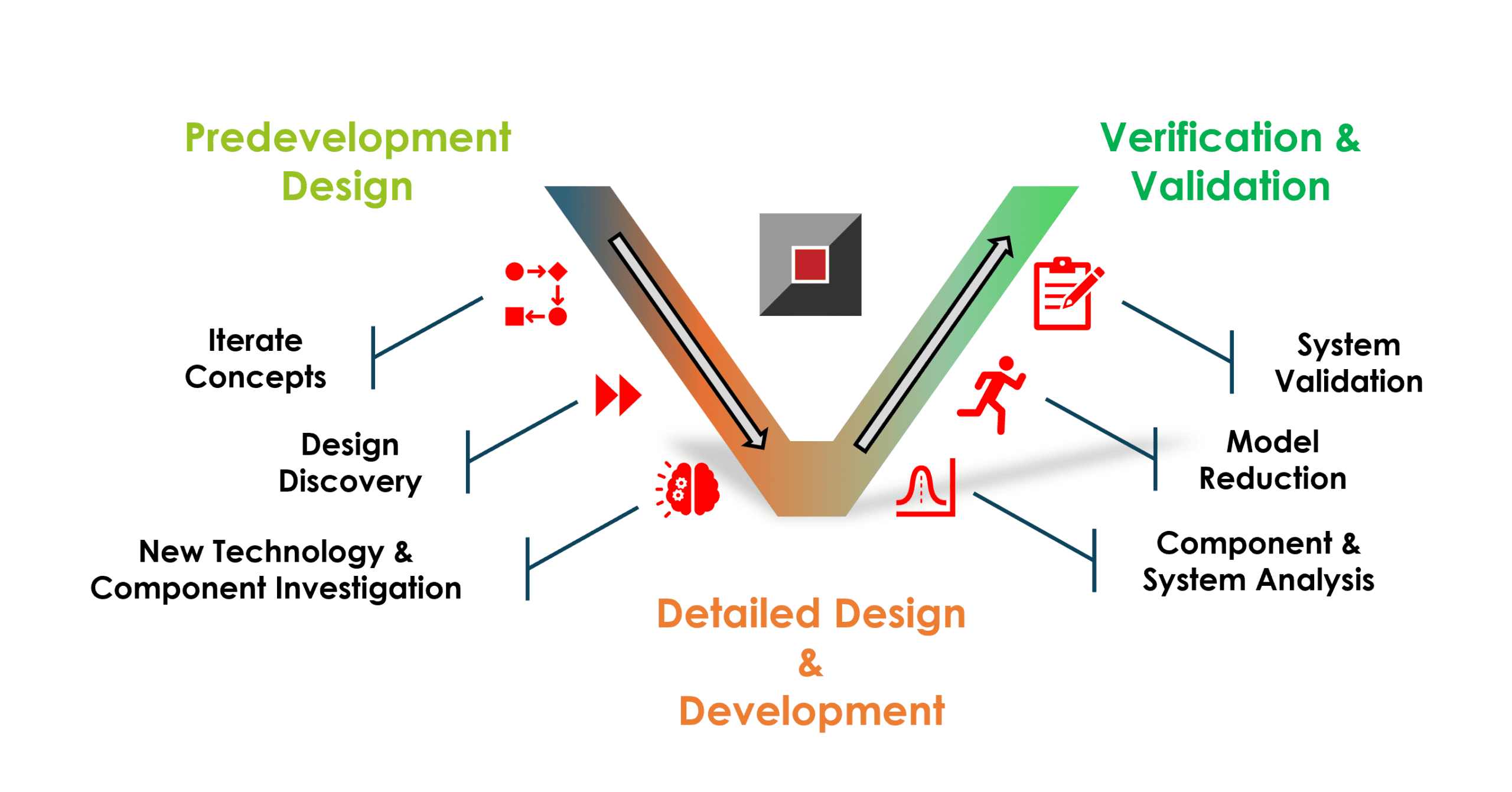
One Platform for the Entire V-Cycle

Thermal management is central to nearly every engineered system, from vehicles and aircraft to data centers, industrial equipment, and consumer electronics. As performance and efficiency targets become increasingly aggressive, thermal systems demand more integrated models, often incorporating other subsystems and advanced controls, to predict behavior before hardware exists. 

GT-SUITE gives thermal engineers a single physics-based platform spanning the entire development cycle, from early concept through late-stage validation and product-in-use. Components scale seamlessly from 0D to 3D within one model, delivering fidelity-on-demand that accelerates innovation. Fast simulation speeds enable rapid design exploration and real-time X-in-the-Loop deployment, while physics-based solvers can optionally integrate with data-driven metamodels for even faster runtimes. 

APPLICATION HIGHLIGHTS

Advanced Thermal System Simulation

Solvers, libraries, and workflows validated over decades deliver real-time capable, high-fidelity multi-physics simulation. 

  • Robust transient solver, based on Navier-Stokes, is stable in extreme conditions including phase change and zero flow 
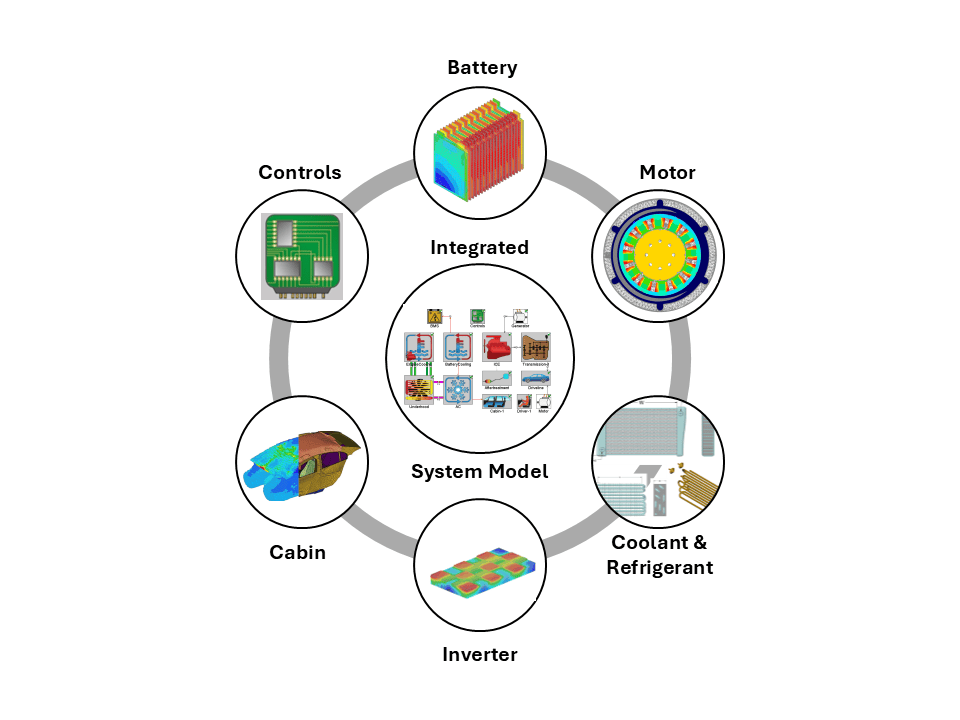
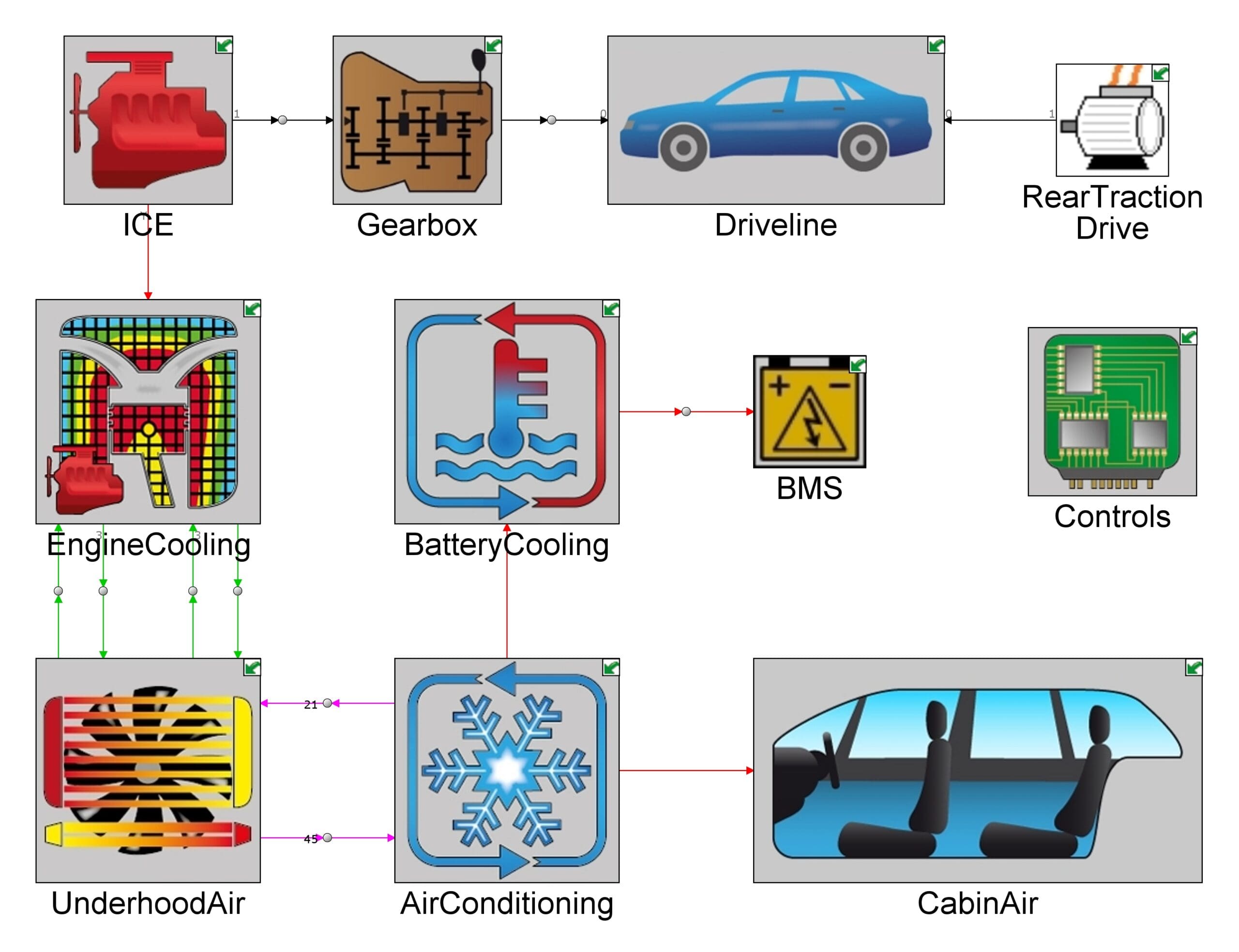
  • Easily integrate multiple thermal circuits (coolant, refrigerant, air) and multiple domains (electrical, chemical, mechanical, controls, etc.)  
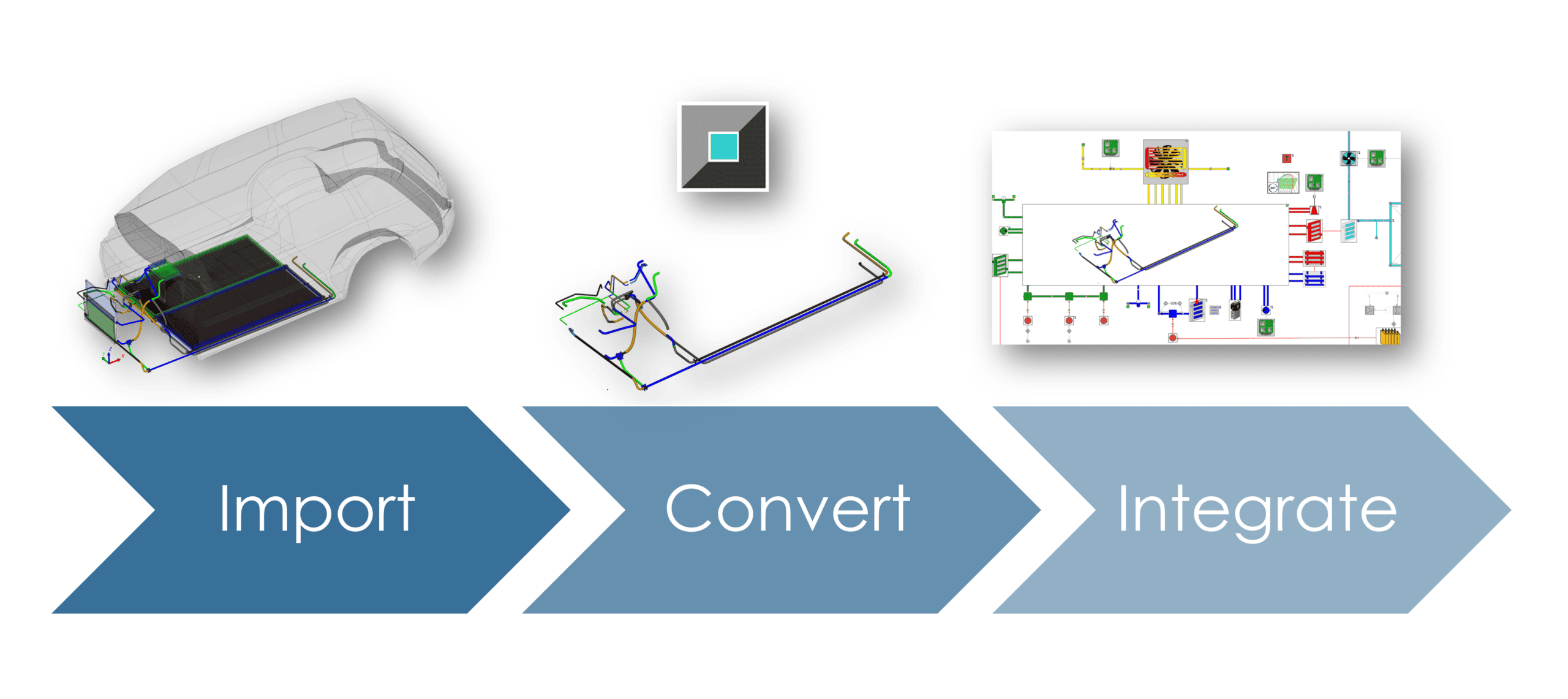
  • 1D flow network generated directly from CAD via GEM3D 
  • Advanced heat exchanger models for component design, system integration, scaling, effects of non-uniform flow, frosting, and more 
  • Models for component & architecture selection are often real-time capable; further acceleration via native machine learning and model reduction 
  • Scalability from single-component analysis to full-system within the same CAE platform  

0D to 3D in a Single Model

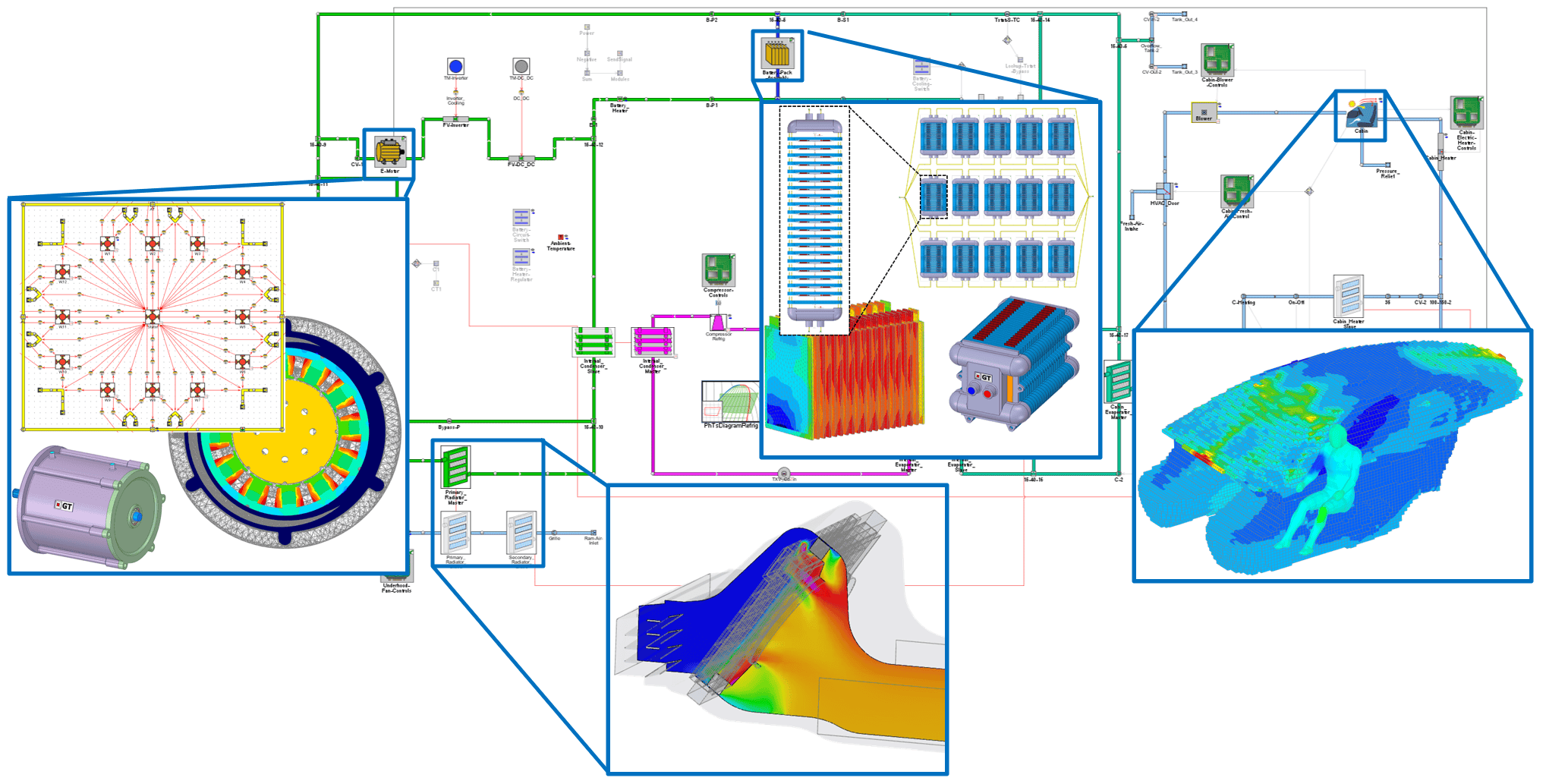
GT-SUITE uniquely offers the ability to scale individual components from 0D all the way to 3D in a single system model. This fidelity-on-demand brings higher resolution only where it is needed while maintaining fast run times capable needed for transients and deployment to MiL, SiL or HiL. 

  • Conjugate Heat Transfer: 1D flow + GT’s native 3D thermal FE solver yields the accuracy of 3D CHT with the speed of 1D and the ability to integrate high resolution models into a system. 
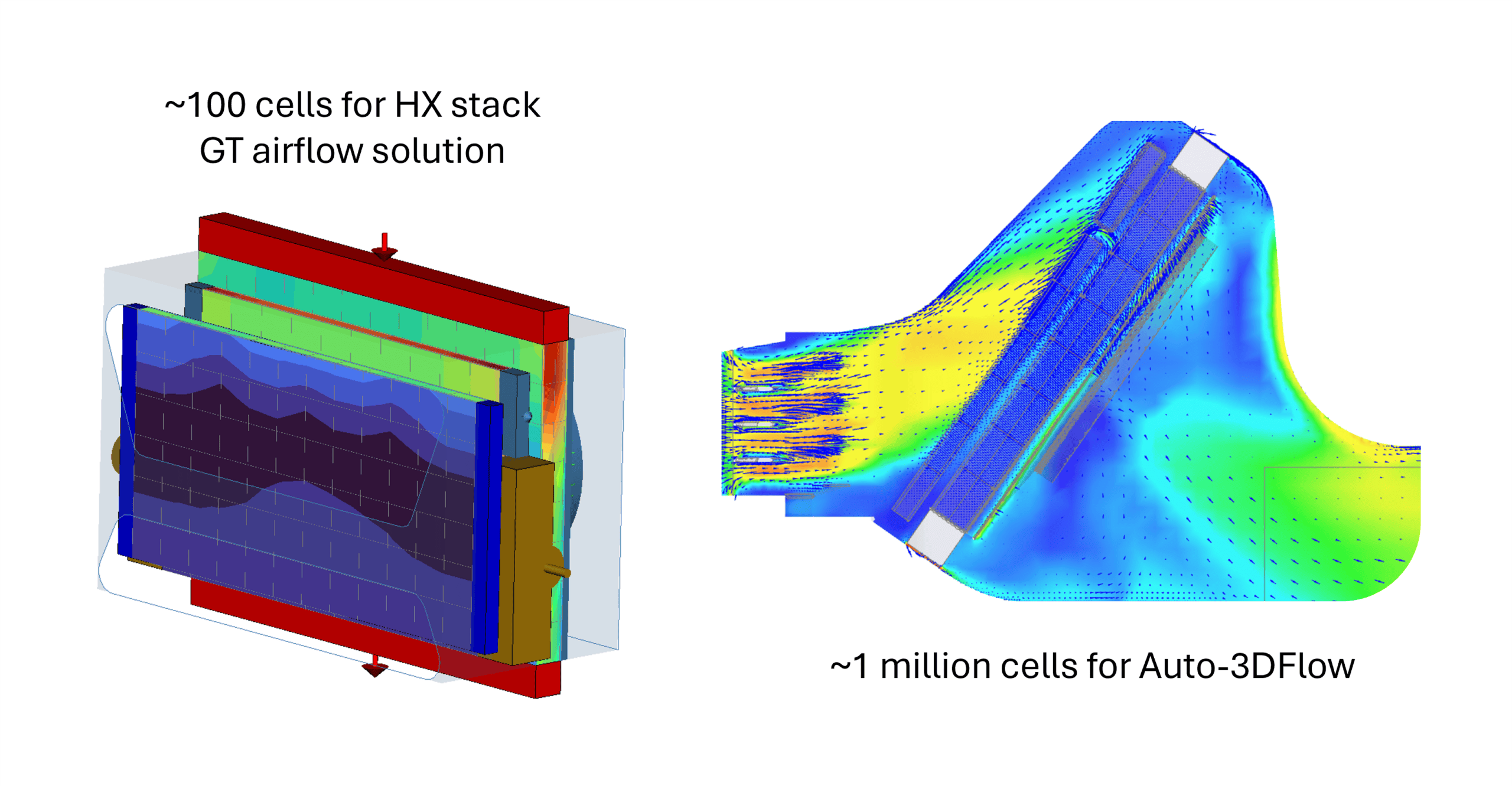
  • Heat exchanger external airflow: from fast 0D/1D/2D methods to fully resolved, non-uniform 3D flow with GT-Auto-3DFlow 
  • Occupant thermal comfort: predict human comfort and sensation integrated with HVAC and controls via GT-TAITherm 

Advanced Features

Comprehensive Thermal Management Solutions

A single environment spanning every level of detail, from standalone component checks to fully integrated system models, adaptable to diverse workflows, expertise levels, and industries. 

check mark icon

Complete System Integration for Smarter Energy Decisions

Multiple interacting subsystems, such as thermal, fluid, and electrical circuits, can be coupled within a single multi-physics environment to capture their combined behavior. This supports development of physics-based control logic and energy-management strategies validated across realistic operating conditions, applicable across a wide range of industries.

check mark icon

Advanced Heat Exchangers

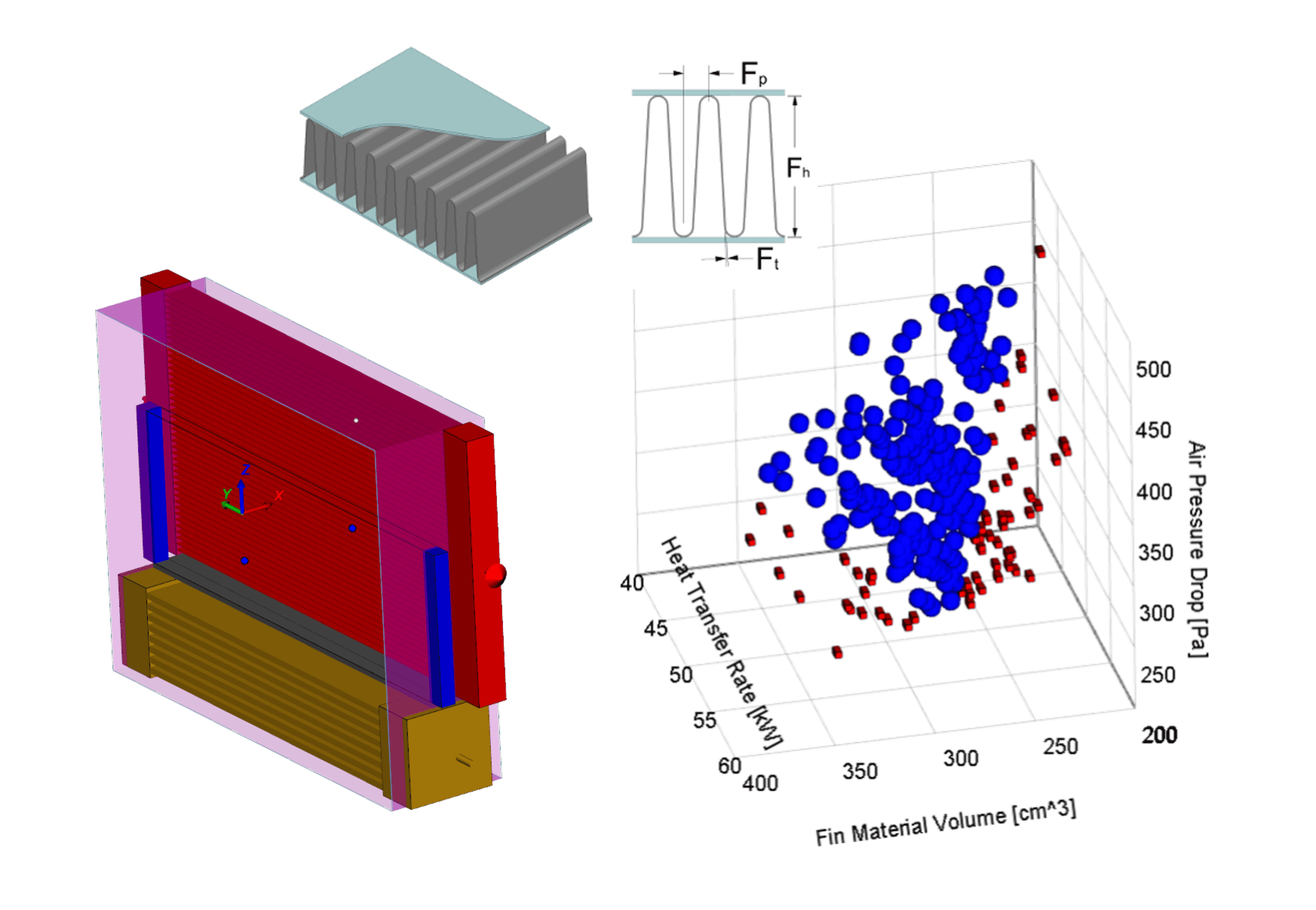
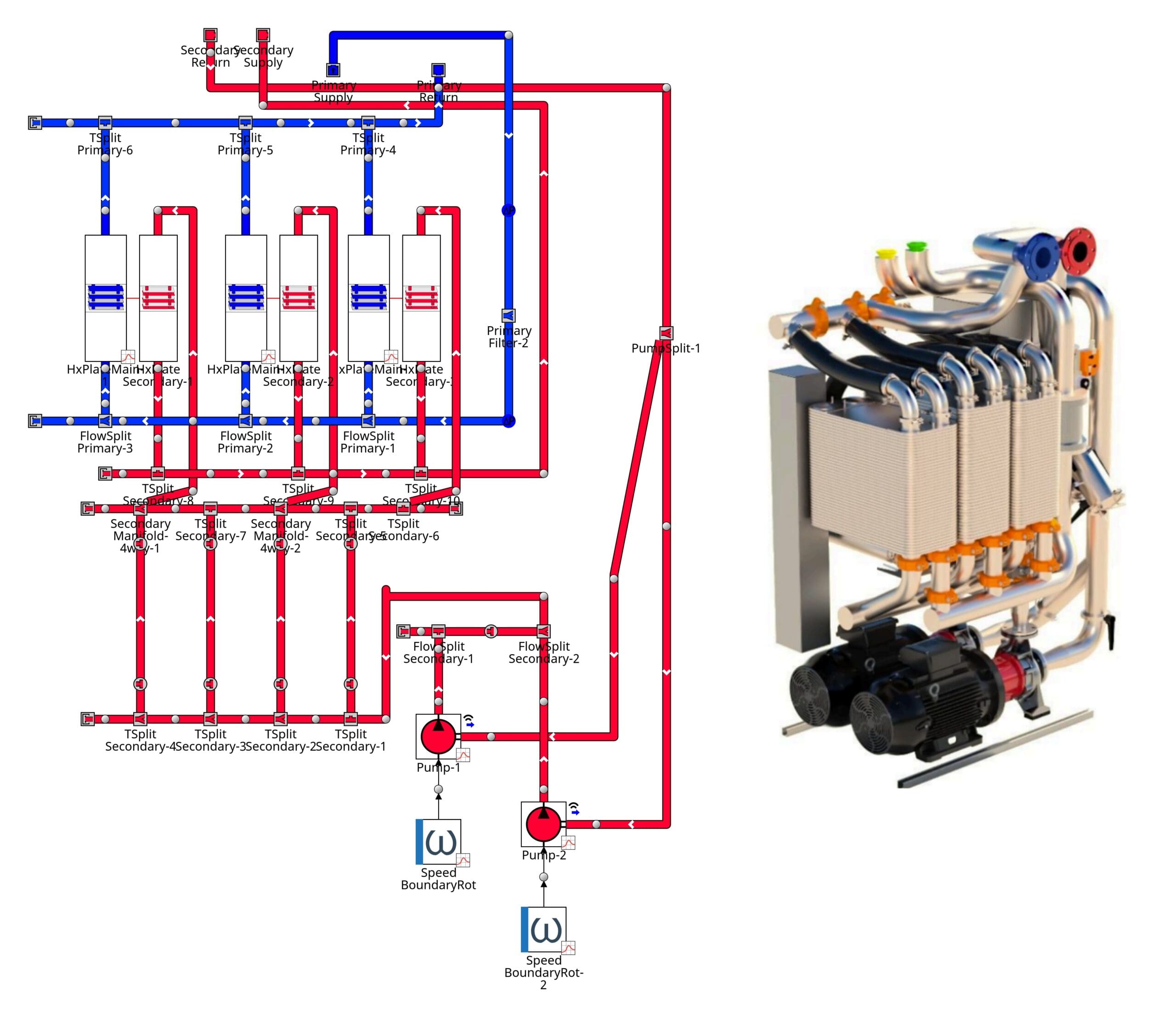
Dedicated, highly flexible templates (tube-fin, microchannel, brazed plate, coil, shell tube, and more) enable prediction of performance from geometry and built-in correlations. If performance data is available, correlation coefficients can be automatically optimized. These fast, high-fidelity models enable accurate extrapolation, scaling, changing the working fluid, frosting, humidity handling, and more. Custom circuiting is easily specified directly in the UI.

check mark icon

Fast Component Selection

For heat exchanger and refrigerant applications, standalone assessment tools are available alongside standard modelling and simulation, offering a faster, more streamlined workflow. These tools guide engineers through sizing, swapping, and benchmarking components with less setup, making them especially useful for those newer to simulation.

check mark icon

Built-In Optimization and DoE Tools

Native design-of-experiments and optimization routines allow systematic exploration of component geometry, control set points, and operating conditions to meet thermal and energy targets. These studies run within the same environment as the system model, avoiding data transfer overhead across separate optimization tools.

check mark icon

Predict Heat Input Rates

Localized, high resolution heat rates from key components (batteries, electronics, e-motors, engines and more) can be predicted by GT’s detailed physics-based component models and directly linked to lumped thermal mass or finite element models.

check mark icon

Component-Level Thermal Assessment

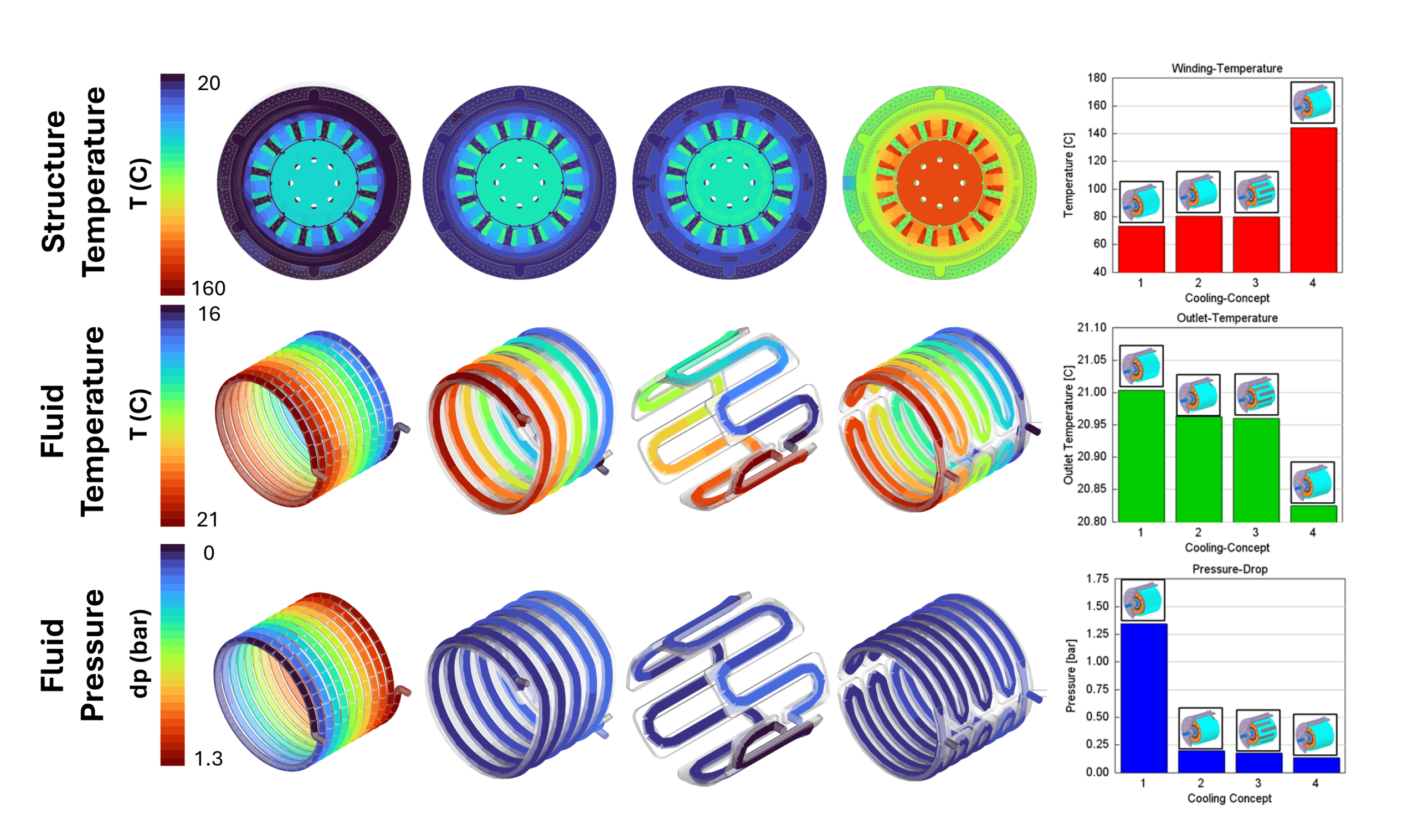
Finite-element-based thermal models can resolve detailed temperature distributions and heat flow within individual components, capturing localized effects that reduced-order models miss. These component-level models can be coupled directly into system-level simulations, linking detailed physics to integrated thermal and energy predictions.

check mark icon

Fast Running and Real-Time Simulations

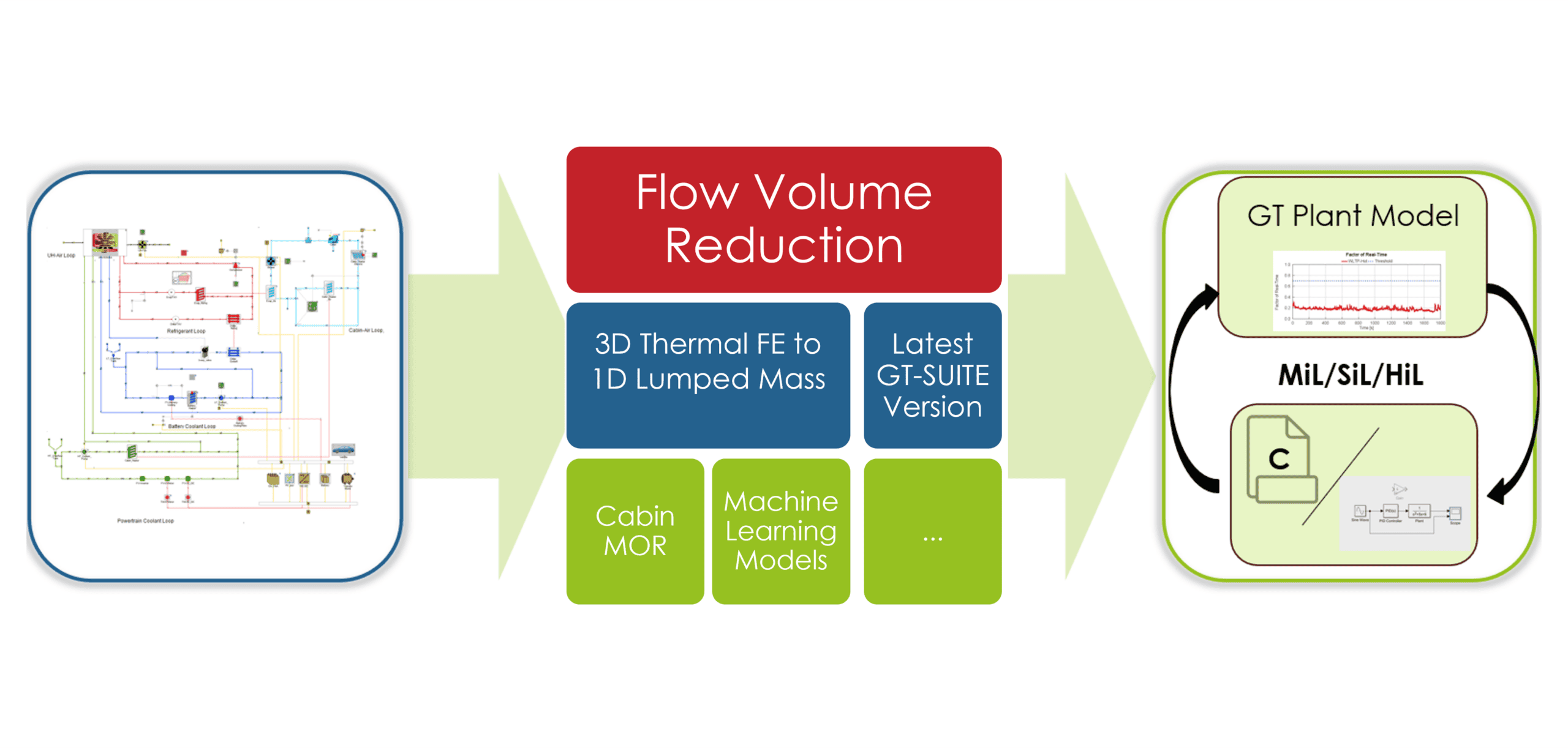
Detailed 1D/3D thermal-fluid models can be systematically reduced to lower-order representations while preserving key performance metrics. This yields real-time-capable models suitable for control development and X-in-the-Loop (MiL, SiL, and HiL) work, without sacrificing the fidelity needed for accurate system-level predictions.

check mark icon

Deployment Across MiL, SiL, and HiL Environments

Thermal and control models can be co-simulated with third-party control software or exported as standardized functional mock-up units (FMU), supporting integration with common real-time and Hardware-in-the-Loop platforms. This allows control strategies to be validated progressively, from early Model-in-the-Loop testing through to Software-in-the-Loop and hardware benches. GT’s robust, stable solver is critical to enabling this.

Connect with an Expert

Looking for guidance on a systems simulation challenge or project? Fill out the form below and our team will reach out to discuss how we can help.